Soil to Soul
I’m Yashveer Tewatia. Soil to Soul grew out of the fields of Bhurja, where I first collected soil samples with my father at twelve. Years later, I returned with questions of my own: why did farmers feel their soil was getting weaker, and what made it difficult to act on that concern?
I began by surveying 42 farmers in Bhurja. Those conversations became the starting point for soil-health awareness sessions, testing-kit distribution, and outreach that has now taken me across 22 villages in Haryana. This website brings together the research, the people I’ve learned from, and the work I’ve led.

From one village to 22
My research began with a focused survey in Bhurja. The outreach grew beyond that initial study as I worked with village heads, committees, and volunteers to organise awareness sessions and distribute soil-testing kits.
22
Villages reached through outreach
250+
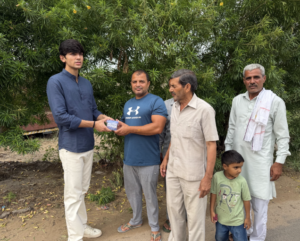
Soil-testing kits distributed
42
Farmers surveyed in Bhurja
15
Awareness sessions in various villages
In the fields
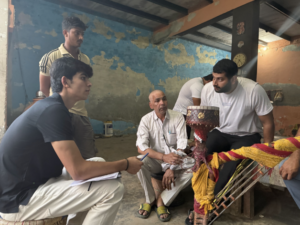
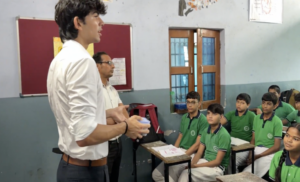
The conversations behind the project: listening to farmers, explaining soil testing, and working with volunteers during village visits.
The question that stayed with me
Many of the farmers I spoke with felt that their soil was less fertile than it used to be. Yet only 14 of the 42 farmers in my survey had ever tested their soil. I wanted to understand that gap: what stops useful information from becoming part of everyday farming?
That question brought my interest in agricultural businesses and economics together. The cost of testing, access to advice, and confidence in trying something unfamiliar all matter when a family depends on the next harvest. Soil to Soul became my way of studying those decisions and making soil-health information easier to use.
What farmers helped me understand
Three concerns shaped the work that followed my Bhurja survey.
Soil health concerns
More than 80% of the 42 farmers surveyed felt their soil was less fertile than in earlier years. Their experiences gave me a reason to look more closely at testing and farming practices.
Explain and demonstrate
I used the findings to shape awareness sessions in simple Hindi, demonstrate how testing kits work, and discuss soil-health practices and relevant schemes.
Organise and extend
I worked with village heads and committees to secure support and coordinate sessions. Volunteers helped with demonstrations, participant tracking, and outreach across 22 villages.
Turning research into action
The project developed through three connected stages.
Listen and document
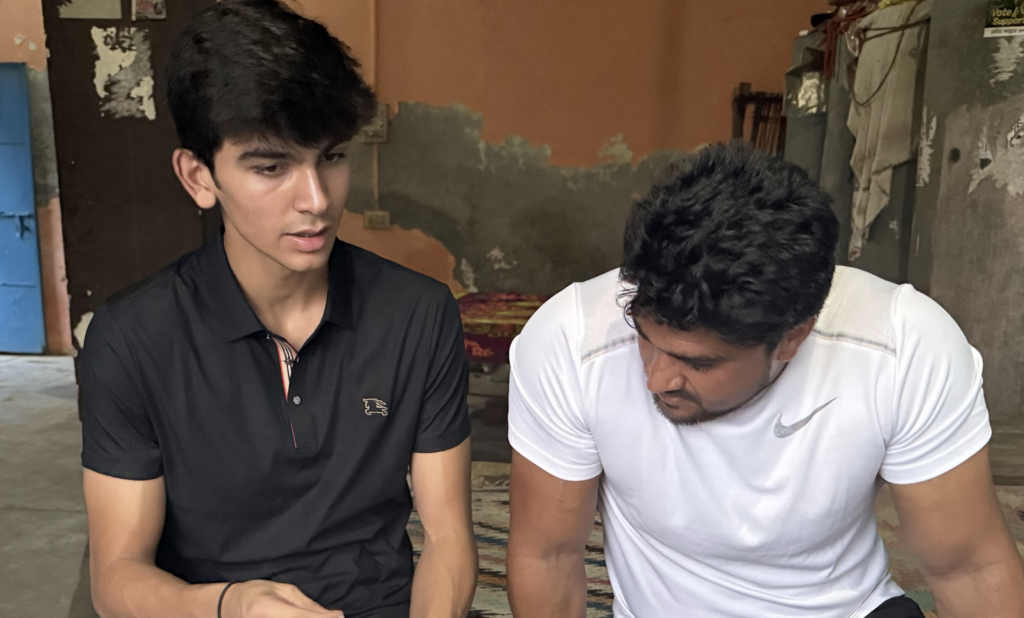
I interviewed more than 200 farmers and specifically surveyed 42 farmers in my home village Bhurja about soil testing, cropping practices, land ownership, and awareness of government support. I also listened to the concerns behind their answers.
Explain and demonstrate
I used the findings to shape awareness sessions in simple Hindi, demonstrate how testing kits work, and discuss soil-health practices and relevant schemes.
Organise and extend
I worked with village heads and committees to secure support and coordinate sessions. Volunteers helped with demonstrations, participant tracking, and outreach across 22 villages.
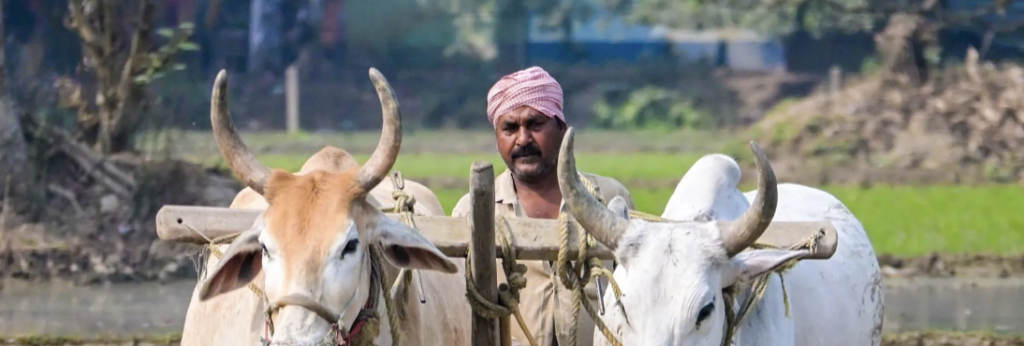
The trust behind the work
Ghanshyam, a farmers’ representative in Bhurja, was one of the first people to challenge me. He had seen outsiders arrive with promises before, and he had little reason to trust another visitor with a notebook.

I kept returning, listened to the problems he wanted recorded, and worked through the survey with him. He later helped bring other farmers into the conversations and organise participation in the sessions. When we discussed his soil report, which showed low nitrogen, we also talked about his wheat–rice cycle and fertiliser use. He introduced moong and mustard into his crop rotation, a change unfamiliar within his family’s farming tradition. His willingness to try something different made the work feel real to me.
Frequently Asked Questions
About Soil to Soul, research methods, and global vision <br> How the project began, what the figures represent, and how to take part.
Help the next session happen
Soil to Soul has grown through the time, trust, and support of people in the villages where I work. If you would like to contribute testing kits, support an awareness session, or volunteer, I would be glad to hear from you.