My Story
Yashveer Tewatia • Founder of Soil to Soul • Haryana, India
I was twelve when my father first took me to the fields in Bhurja. I carried a notebook, a trowel, and gloves that were too big for my hands. Collecting soil samples was my first introduction to the work behind a harvest. As I grew older, I started asking my own questions about the soil and the people whose livelihoods depended on it.
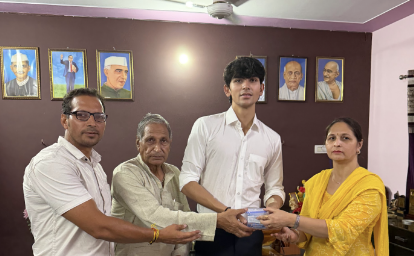
From collecting samples to asking questions
Bhurja is my hometown, and familiarity made it easy to assume I understood farming. Conversations with farmers showed me how much I still had to learn. They spoke about weaker soil, rising input costs, and harvests that did not always reward the effort going into them.
I began Soil to Soul with a small but crucial survey, asking about testing, fertiliser use, crop rotation, and government support. I wanted to understand both the soil-health concerns and the decisions farmers made around them. The findings became the basis for my research paper, “Reviving the Soil: A Youth-Led Study on Soil Health, Farmer Awareness, and Sustainable Agriculture in Haryana.”
I then helped organise awareness sessions, demonstrations, and testing-kit distribution. Working with village representatives and volunteers taught me how much coordination it takes to turn a research idea into something people can take part in.
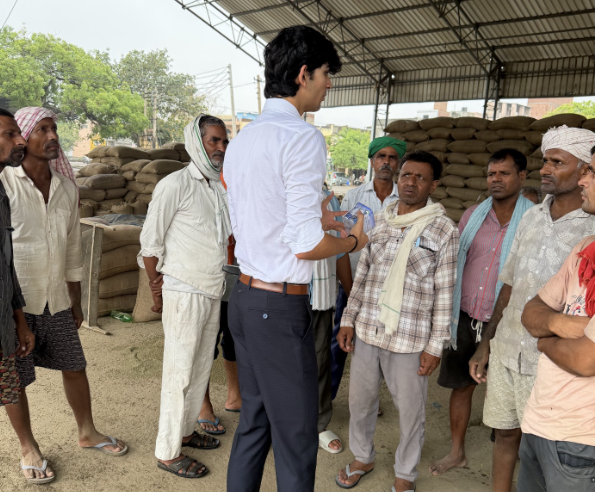
"I learned that despite being from a village gives me a starting point, earning people’s trust takes more than just familiarity. "
What the work has taught me
The most useful lessons came from the conversations that challenged my assumptions.
Listen before explaining
Some farmers had worked their land for decades. I learned to ask about their experience before suggesting a practice or explaining a tes
Make information usable
A report or a scheme means little if its purpose is unclear. Simple Hindi explanations and practical demonstrations became an important part of my approach.
Keep showing up
Ghanshyam’s early skepticism taught me that a good introduction is only a beginning. Returning, answering questions, and following through mattered more.