What I found
Concern about soil was common. Regular testing was not.
In my survey of 42 farmers, more than 80% felt their soil was less fertile than it had been in earlier years. Only 14 had tested their soil at least once, and only 8 reported testing regularly. I wanted to understand why concern did not always translate into a clear next step.
Beneath Our Feet
Soil isn't just dirt. It's memory. It holds the great story of civilisations, of failed crops, of farmers' prayers and scientific neglect. And yet today, as AI conquers skies and screens, our soil is forgotten, fatigued, and fast-eroding.
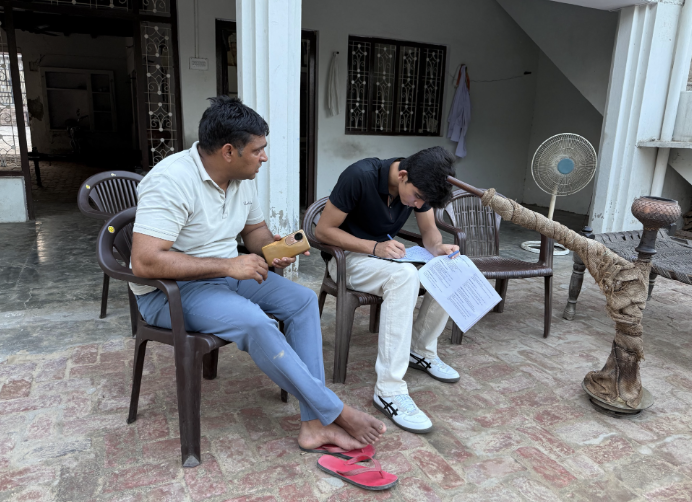
I chose this project not to rescue it with grand theories, but to listen, through simple tests, farmer interviews, and awareness drives. Because intelligence, I believe, must first bow to the ground before it rises to innovate.
Over the past decade, India has experienced a significant decline in soil fertility, largely due to over-farming, chemical misuse, and urban expansion. While speaking with local farmers during my campaign, I realised that many knew something was wrong, but didn't always know what.
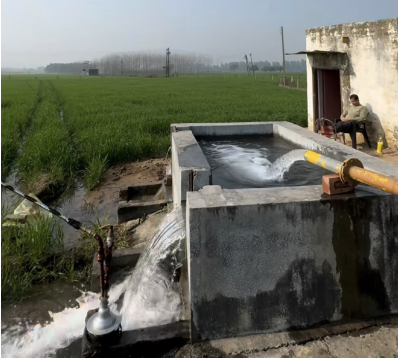
"The soil wasn't just tired, it was talking, but with nobody to listen."
Three gaps worth addressing
The survey helped me decide where a student-led project could make a practical contribution.
Access to testing
Only 8 of the 42 farmers reported regular soil testing. I focused on explaining what testing can show and making kits more accessible through local support.
Understanding soil practices
Farmer interviews raised questions about repeated cropping, fertiliser use, and nutrient balance. Sessions introduced the role of testing and discussed practices such as crop rotation and cover crops.
Awareness of support
Fewer than half of surveyed farmers were aware of the government benefits discussed in the study. I included scheme information in the awareness sessions and considered how land ownership affects eligibility.